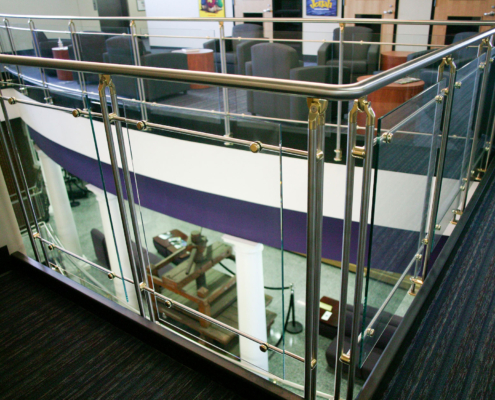
Start with a site walk that documents condition and context. Look for wobble, corrosion, missing sections, inconsistent heights, and areas where repairs have been repeated. Note exposure zones, high-traffic routes, and places where access is limited due to occupancy.
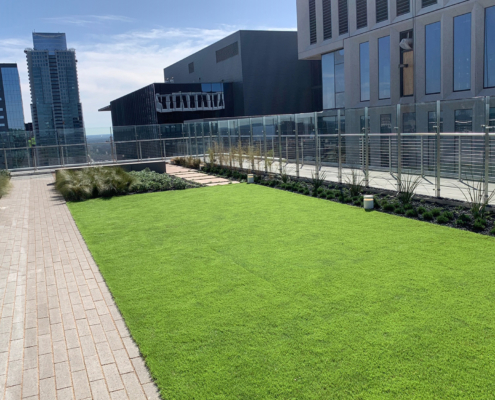
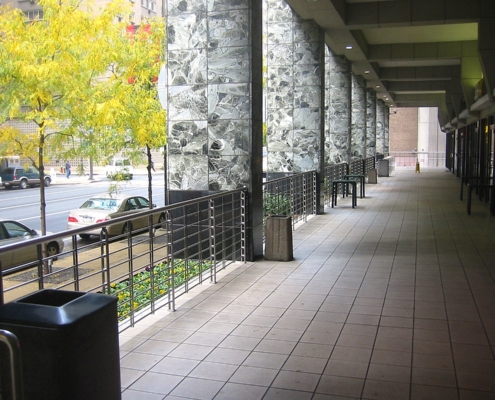
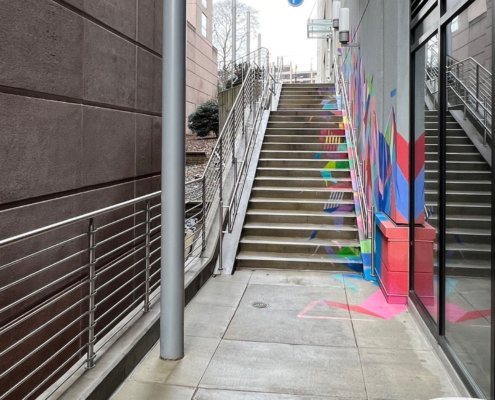
Next, prioritize zones using a simple framework: traffic plus exposure plus condition plus renovation timing. Exterior corridors and balconies often rise quickly because they combine visibility, weather exposure, and safety sensitivity. Main entries and public stairs often follow because first impressions and daily touch points are concentrated there.
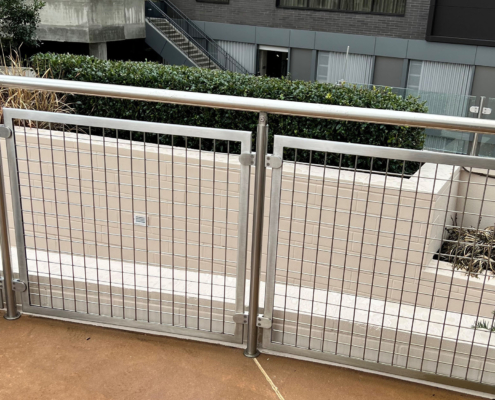
Then choose a standard system and finish palette that can repeat across phases. The goal is to avoid designing a different solution for every corner. Once you have the standard, phase work in the way your property can tolerate: building-by-building, floor-by-floor, or corridor-by-corridor.
Finally, document specs for future replacements and expansions. This is one of the highest-leverage steps because it keeps your next phase from turning into another one-off project.