Why a Glass Windscreen Is the Finishing Touch Every Building Needs

A rooftop terrace or amenity deck is one of the most valuable things a building can offer, and it’s one of the easiest things to get wrong. Owners invest in the pavers, the furniture, the lighting, and the views, and then wonder why nobody uses the space. Nine times out of ten, the answer is wind. A glass windscreen is the upgrade that solves that problem while elevating how the entire building looks from the outside, and it’s almost always the last thing planned.
The Problem With Most Rooftop Spaces

Rooftop investments have become a priority for hotels, multi-family properties, and commercial office buildings over the past decade. Owners pour money into the project, and then watch those spaces sit empty on all but the calmest days because the wind makes them genuinely uncomfortable to use. At elevation, even moderate wind speeds feel significantly stronger than they do at street level, and an exposed rooftop without any wind mitigation is an unpleasant place to be for a large portion of the year in most U.S. markets.

What a Glass Windscreen Actually Does

A glass windscreen works on three levels at once. It’s functional, aesthetic, and structural, and understanding all three layers is what helps building owners and architects see it as an essential element rather than an optional upgrade.

Wind Reduction That Makes the Space Usable

The most immediate benefit of a glass windscreen is the one that changes how the rooftop actually functions day to day. Glass panels along the perimeter of a rooftop deck or terrace deflect wind at height without creating the boxed-in, enclosed feeling that solid parapet walls produce. The result is a space that stays comfortable at wind speeds that would otherwise send everyone back inside.

The durability of glass under real weather conditions is also worth noting, as properly engineered laminated or tempered panels hold up under sustained wind loads without the finish degradation that affects painted or powder-coated metal systems over time.

Aesthetic Elevation That Reads From the Street

A rooftop finished with a glass windscreen looks fundamentally different from one finished with pipe rail, bare parapet, or nothing at all. Glass maintains visual continuity between the building facade and the sky, creating a clean, resolved roofline that signals investment and intention. The effect on curb appeal and overall building presentation is immediate and requires no changes to the floors below to register.

For properties that are actively leasing, refinancing, or repositioning, that exterior impression carries real weight with prospective tenants, buyers, and lenders who form opinions before they ever walk through the front door.

Sightline Preservation That Protects the View

One of the most practical arguments for glass over any opaque wind barrier is what it doesn’t block. A solid wall or a dense metal screen solves the wind problem but eliminates the view, which is often the entire reason the rooftop was developed in the first place.

Glass preserves sightlines completely, allowing people to enjoy unobstructed panoramic views. This is particularly important in urban markets where rooftop views are a genuine selling point for hospitality and residential properties.

Where a Glass Windscreen Makes the Biggest Difference

The case for a glass windscreen holds up across a wide range of property types. Rooftop spaces are showing up in more building contexts than most people expect, and the wind problem is consistent across all of them.

  • Hotels and hospitality properties: Rooftop bars, restaurants, and event spaces depend on weather comfort to generate revenue. A windscreen extends the operating season and protects the investment in outdoor programming.
  • Multi-family and condo buildings: Rooftop amenity decks are a key differentiator in competitive rental and condo markets. A windscreen turns a rooftop from a code-required barrier into a space residents actually claim as an amenity.
  • Commercial office buildings: Outdoor break and meeting space is increasingly valued by tenants evaluating workplace quality. A protected rooftop terrace is a concrete amenity that supports leasing conversations in a way that generic common areas don’t.
  • High-rise residential: Wind exposure intensifies with height, making windscreen installation not just a comfort upgrade but a practical necessity for rooftop terraces above the tenth floor or so.

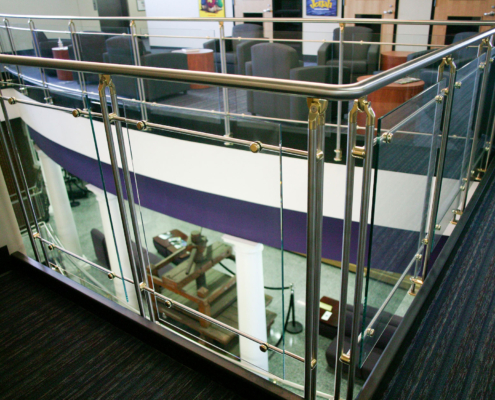
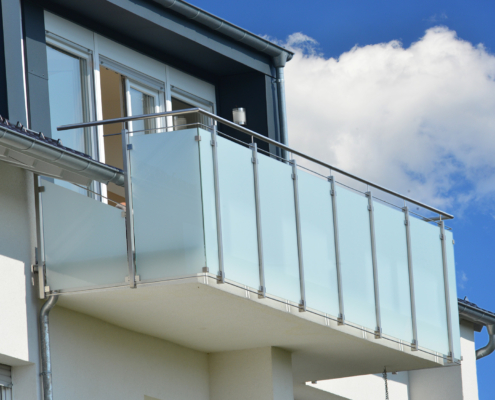
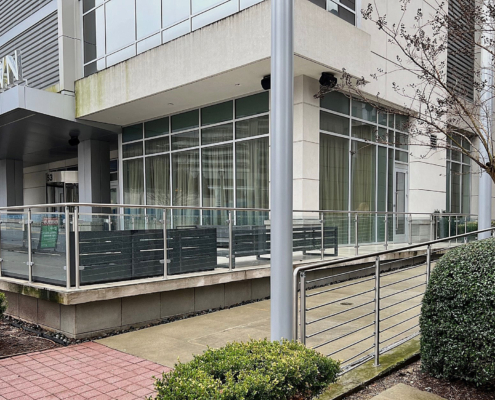
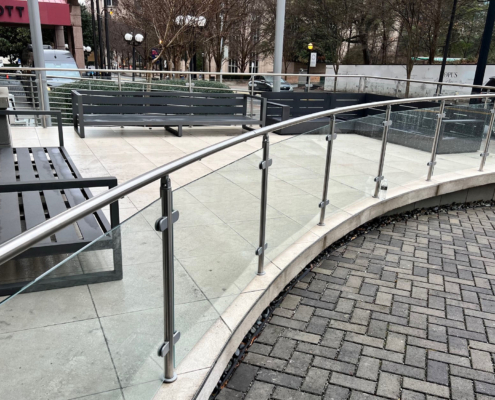
P+P Artec’s windscreen railing system is engineered with all-glass infill, rectangular stainless steel balusters up to six feet tall, and hidden fasteners that keep the profile clean and the maintenance demands low.

What to Think About Before You Install a Windscreen

Windscreen installation on a rooftop involves more planning considerations than a standard interior railing project. Getting these right before fabrication begins is what separates a smooth, code-compliant installation from one that generates change orders and delays.

Here’s what matters most:

  • Height and exposure: The taller the building, the higher the wind loads the system needs to be engineered to handle. A windscreen for deck railing applications at significant elevation requires structural engineering that accounts for site conditions.
  • Glass specification: Laminated safety glass is the standard for rooftop windscreen applications because it holds together if it breaks. The thickness and interlayer specification should be determined by the engineering analysis.
  • Waterproofing coordination: Rooftop installations tie into existing waterproofing membranes, and anchor penetrations need to be detailed carefully to avoid creating leak points.
  • Building code and permitting: Windscreen installation on a commercial rooftop typically requires permits and engineering documentation. IBC load requirements, glass specifications, and post spacing all need to be addressed in the submittal package before work begins.
  • Sequencing within a broader rooftop renovation: A windscreen for deck railing perimeters should be one of the first elements planned in any rooftop renovation, not one of the last. Installing the windscreen after pavers, furniture, and planters are already in place creates access constraints and coordination headaches that drive up cost and extend timelines.

Why a Rooftop Renovation Isn’t Complete Without One

Wind is the variable that most rooftop renovation budgets underestimate, and it’s also the variable that a glass windscreen resolves most directly. Properties that treat rooftop spaces as genuine amenities see measurable returns in tenant satisfaction, lease renewal rates, and appraised value, but only when those spaces are designed to be used.

The other dimension worth considering is maintenance. A glass windscreen system built with corrosion-resistant stainless steel hardware and properly sealed glass panels is one of the lower-maintenance elements on a rooftop over the long term. A well-specified glass windscreen holds its appearance with routine cleaning and basic upkeep, which matters on a rooftop where access for maintenance work is more involved than it is at grade.

Add a Glass Windscreen to Your Next Rooftop Project

P+P Artec has spent more than 30 years designing, fabricating, and installing glass railing systems for commercial and residential buildings across the country. Our windscreen system is purpose-engineered for rooftop environments, and our turnkey process handles everything from initial design and engineering through fabrication and final installation under one roof.

Reach out to the P+P Artec team to talk through your rooftop project and find out what a glass windscreen can do for your building.

Why a Glass Windscreen Is the Finishing Touch Every Building Needs

Hook: A rooftop terrace or amenity deck is one of the most valuable things a building can offer, and it’s one of the easiest things to get wrong. Owners invest in the pavers, the furniture, the lighting, and the views, and then wonder why nobody uses the space. Nine times out of ten, the answer is wind. A glass windscreen is the upgrade that solves that problem while elevating how the entire building looks from the outside, and it’s almost always the last thing planned.
The Problem With Most Rooftop Spaces

Rooftop investments have become a priority for hotels, multi-family properties, and commercial office buildings over the past decade. Owners pour money into the project, and then watch those spaces sit empty on all but the calmest days because the wind makes them genuinely uncomfortable to use. At elevation, even moderate wind speeds feel significantly stronger than they do at street level, and an exposed rooftop without any wind mitigation is an unpleasant place to be for a large portion of the year in most U.S. markets.

What a Glass Windscreen Actually Does

A glass windscreen works on three levels at once. It’s functional, aesthetic, and structural, and understanding all three layers is what helps building owners and architects see it as an essential element rather than an optional upgrade.

Wind Reduction That Makes the Space Usable

The most immediate benefit of a glass windscreen is the one that changes how the rooftop actually functions day to day. Glass panels along the perimeter of a rooftop deck or terrace deflect wind at height without creating the boxed-in, enclosed feeling that solid parapet walls produce. The result is a space that stays comfortable at wind speeds that would otherwise send everyone back inside.

The durability of glass under real weather conditions is also worth noting, as properly engineered laminated or tempered panels hold up under sustained wind loads without the finish degradation that affects painted or powder-coated metal systems over time.

Aesthetic Elevation That Reads From the Street

A rooftop finished with a glass windscreen looks fundamentally different from one finished with pipe rail, bare parapet, or nothing at all. Glass maintains visual continuity between the building facade and the sky, creating a clean, resolved roofline that signals investment and intention. The effect on curb appeal and overall building presentation is immediate and requires no changes to the floors below to register.

For properties that are actively leasing, refinancing, or repositioning, that exterior impression carries real weight with prospective tenants, buyers, and lenders who form opinions before they ever walk through the front door.

Sightline Preservation That Protects the View

One of the most practical arguments for glass over any opaque wind barrier is what it doesn’t block. A solid wall or a dense metal screen solves the wind problem but eliminates the view, which is often the entire reason the rooftop was developed in the first place.

Glass preserves sightlines completely, allowing people to enjoy unobstructed panoramic views. This is particularly important in urban markets where rooftop views are a genuine selling point for hospitality and residential properties.

Where a Glass Windscreen Makes the Biggest Difference

The case for a glass windscreen holds up across a wide range of property types. Rooftop spaces are showing up in more building contexts than most people expect, and the wind problem is consistent across all of them.

  • Hotels and hospitality properties: Rooftop bars, restaurants, and event spaces depend on weather comfort to generate revenue. A windscreen extends the operating season and protects the investment in outdoor programming.
  • Multi-family and condo buildings: Rooftop amenity decks are a key differentiator in competitive rental and condo markets. A windscreen turns a rooftop from a code-required barrier into a space residents actually claim as an amenity.
  • Commercial office buildings: Outdoor break and meeting space is increasingly valued by tenants evaluating workplace quality. A protected rooftop terrace is a concrete amenity that supports leasing conversations in a way that generic common areas don’t.
  • High-rise residential: Wind exposure intensifies with height, making windscreen installation not just a comfort upgrade but a practical necessity for rooftop terraces above the tenth floor or so.

CTA: P+P Artec’s windscreen railing system is engineered with all-glass infill, rectangular stainless steel balusters up to six feet tall, and hidden fasteners that keep the profile clean and the maintenance demands low.

Button: Learn More

What to Think About Before You Install a Windscreen

Windscreen installation on a rooftop involves more planning considerations than a standard interior railing project. Getting these right before fabrication begins is what separates a smooth, code-compliant installation from one that generates change orders and delays.

Here’s what matters most:

  • Height and exposure: The taller the building, the higher the wind loads the system needs to be engineered to handle. A windscreen for deck railing applications at significant elevation requires structural engineering that accounts for site conditions.
  • Glass specification: Laminated safety glass is the standard for rooftop windscreen applications because it holds together if it breaks. The thickness and interlayer specification should be determined by the engineering analysis.
  • Waterproofing coordination: Rooftop installations tie into existing waterproofing membranes, and anchor penetrations need to be detailed carefully to avoid creating leak points.
  • Building code and permitting: Windscreen installation on a commercial rooftop typically requires permits and engineering documentation. IBC load requirements, glass specifications, and post spacing all need to be addressed in the submittal package before work begins.
  • Sequencing within a broader rooftop renovation: A windscreen for deck railing perimeters should be one of the first elements planned in any rooftop renovation, not one of the last. Installing the windscreen after pavers, furniture, and planters are already in place creates access constraints and coordination headaches that drive up cost and extend timelines.

Why a Rooftop Renovation Isn’t Complete Without One

Wind is the variable that most rooftop renovation budgets underestimate, and it’s also the variable that a glass windscreen resolves most directly. Properties that treat rooftop spaces as genuine amenities see measurable returns in tenant satisfaction, lease renewal rates, and appraised value, but only when those spaces are designed to be used.

The other dimension worth considering is maintenance. A glass windscreen system built with corrosion-resistant stainless steel hardware and properly sealed glass panels is one of the lower-maintenance elements on a rooftop over the long term. A well-specified glass windscreen holds its appearance with routine cleaning and basic upkeep, which matters on a rooftop where access for maintenance work is more involved than it is at grade.

Add a Glass Windscreen to Your Next Rooftop Project

P+P Artec has spent more than 30 years designing, fabricating, and installing glass railing systems for commercial and residential buildings across the country. Our windscreen system is purpose-engineered for rooftop environments, and our turnkey process handles everything from initial design and engineering through fabrication and final installation under one roof.

Reach out to the P+P Artec team to talk through your rooftop project and find out what a glass windscreen can do for your building.

More Like This

Side view of outdoor railing in university setting